
How to Prepare Your Roof for Summer Storms in Central Texas
When Summer Storms Strike: Why Central Texas Roofs Need a Proactive Defense
Every summer, Central Texas homeowners brace for a predictable yet unpredictable threat: severe storms packing intense hail, damaging winds, and torrential downpours. From the Austin metro to surrounding Hill Country communities, roofs face extreme stress from sudden storm surges that can compromise shingles, flashings, and underlayment in minutes. These aren’t just isolated weather events—seasonal patterns mean multiple storm cycles, increasing the risk of cumulative damage that often goes unnoticed until leaks appear.
Without proper preparation, even a single storm can lead to costly repairs, insulation damage, or reduced energy efficiency. But the good news? Most issues can be prevented with early inspection and targeted maintenance. In this guide, you’ll learn how to assess your roof’s storm readiness, identify vulnerable areas common in regional builds, and take actionable steps before the clouds roll in.
You’ll discover best practices for securing flashings, cleaning drainage systems, and evaluating shingle integrity—key strategies that align with local climate demands. By staying ahead of storm season, you’re not just protecting shingles; you’re safeguarding your home’s structural integrity and long-term value.
Inspect Your Roof Like a Pro: A Step-by-Step Guide
Before summer storms roll through Central Texas, proactive roof maintenance can prevent costly damage. Conducting a thorough inspection helps identify vulnerabilities early, especially after intense weather seasons. Follow these steps to ensure your roof stands up to heavy rains, high winds, and hail.
Start with a Ground-Level Check
Use binoculars to scan for missing or lifted shingles, debris buildup, or visible sagging. Look for signs of water staining on siding—this could indicate past leaks.
Inspect Shingles Up Close (Safely)
If accessible, walk the perimeter with proper fall protection. Look for cracked, curled, or granule-loss shingles—common wear points in hot climates. Replace any damaged shingles before storm season peaks.
Examine Flashing and Vent Seals
Check metal flashing around chimneys, vents, and skylights. Deteriorated or loose flashing is a top cause of roof leaks in older systems. Ensure seals are tight and corrosion-free.
Clear and Assess Gutters
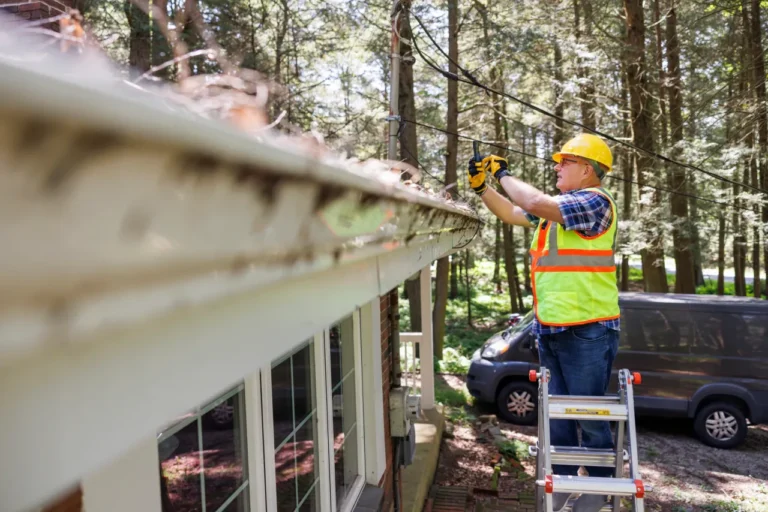
Remove leaves, pine needles, and debris from gutters and downspouts. Clogged gutters lead to water pooling, which weakens shingles and roof decking over time. Confirm downspouts direct water away from the foundation.
Tip: Perform this inspection annually, ideally in late spring, to catch issues before summer thunderstorms hit Central Texas.
Strengthen Your Roof Against Central Texas Summer Storms
Central Texas summer storms bring intense hail and powerful winds that can compromise even the sturdiest roofs. Taking proactive steps now can prevent costly damage later. Follow these expert-backed steps to reinforce your roofing system and protect your home.
Inspect for Loose or Damaged Shingles
Walk around your property after clear weather and look for curled, cracked, or missing shingles. Even minor lifting can allow wind uplift to worsen during storms. Secure any loose edges with roofing cement and replace damaged shingles promptly.
Reinforce Roof Decking and Fasteners
Ensure your roof sheathing is securely fastened with ring-shank nails instead of staples, especially near edges and ridges where wind pressure is highest. Consider upgrading older decking to withstand uplift forces common in Central Texas thunderstorms.
Seal Vulnerable Flashing Areas
Check around chimneys, vents, and skylights. Reapply roofing sealant to cracks or gaps in metal flashing to prevent water intrusion during heavy rains that accompany summer storms.
Upgrade Your Underlayment
Upgrade to synthetic underlayment, with ice-and-water shield in valleys and low-slope areas for extra waterproofing against wind-driven rain.
Trim Overhanging Branches
Reduce debris buildup and falling limb risks by keeping trees near your roofline well-trimmed.
Regular maintenance and reinforcement significantly increase your roof’s resilience—don’t wait until storm season peaks.
Why a Pre-Storm Roof Tune-Up Could Save You Thousands
Before summer storm season hits Central Texas, scheduling a roof tune-up is one of the smartest moves a homeowner can make. High winds, hail, and sudden downpours can expose even minor vulnerabilities in your roof—issues that may go unnoticed until they lead to costly water damage or structural concerns. During a tune-up, we look for early signs of wear, such as lifted shingles, compromised flashing, or clogged gutters, that may not be visible from the ground.
For long-term protection, a roof tune-up before storm season—and another look after any severe weather event—keeps small problems from becoming big ones. In regions like Austin and surrounding areas where sudden thunderstorms are common, staying proactive is key.
During a tune-up, we assess:
- Roof material integrity
- Flashing and sealant conditions
- Attic ventilation and moisture levels
- Drainage system performance
Catching problems early not only extends your roof’s lifespan but also improves energy efficiency and prevents mold growth. Make a roof tune-up a routine part of home maintenance—your future self will thank you when the next Central Texas storm rolls through.
Frequently Asked Questions About Roof Preparation and Storm Damage in Central Texas
How can I tell if my roof has storm damage?
After severe weather, look for missing, cracked, or curled shingles, granule loss in gutters, water stains on ceilings, and visible sagging. Hail impacts often leave soft dents on metal fixtures or shingles, while wind damage may expose underlayment or loosen flashing around chimneys and vents. Regular visual inspections, especially post-storm, help identify issues early before they escalate.
When should I inspect my roof for storm readiness?
Inspect your roof at least twice a year—once in early spring before storm season and again in fall. In Central Texas, where sudden thunderstorms and hail are common, an additional check after major weather events is wise. Focus on shingle integrity, flashing security, and gutter performance.
How often should roofs be maintained or repaired?
Most residential roofs benefit from a professional tune-up every few years. However, homes in high-wind or hail-prone areas of Central Texas may need one more often. Proactive maintenance like resealing flashing or replacing worn shingles extends roof life and improves storm resistance.
Can I do roof inspections myself?
While ground-level checks with binoculars are safe and useful, climbing on the roof risks injury and missed details. Professionals use proper safety gear and know what to look for in critical areas like flashing, valleys, and roof penetrations.
What signs mean I need immediate repair?
Interior water stains, persistent leaks, or daylight visible through the roof deck require urgent attention. These indicate compromised structural integrity and can lead to mold or framing damage if not addressed quickly.
Does insurance cover storm-related roof damage?
Most homeowners’ policies cover sudden, storm-induced damage from wind or hail common in Central Texas. Document damage with photos and get a professional assessment to support your claim.
Stay One Step Ahead of Summer Storms with Smart Roof Preparation
Central Texas summers bring more than just heat—intense thunderstorms with high winds, hail, and torrential rains can strike with little warning, putting your roof to the test. By now, you’ve assessed your roof’s condition, cleaned gutters, reinforced flashings, and trimmed overhanging branches. These steps aren’t just maintenance—they’re essential defenses against water intrusion, structural damage, and costly repairs down the line. A well-prepared roof is built to withstand the region’s volatile weather, preserving your home’s integrity and energy efficiency.
Durability starts with proactive care. Make a roof tune-up a regular habit, especially before storm season ramps up. Look for curled shingles, loose seams, or signs of aging that could compromise performance. When repairs are needed, address them promptly using quality materials suited to Central Texas conditions. Don’t overlook attic ventilation and insulation—proper airflow reduces heat buildup and moisture, both of which can shorten your roof’s lifespan.
For homeowners seeking long-term peace of mind, now is the time to act. Review your insurance policy, document your roof’s condition, and keep repair records accessible. If you’re unsure about your roof’s readiness, consider calling Laursen Roofing for a tune-up and readiness check. Being prepared isn’t just smart—it’s the best defense against the unexpected.